
Nursery Operations
Since its official founding in 1992, GOMPS has advocated for the preservation and restoration of Kwetlal/Garry oak ecosystems, and for the protection and replacement of Greater Victoria’s iconic tree, the Garry oak. Between 2005 and 2011, an estimated 1037 hectares of tree cover was lost from the core municipal area of the Capital Regional District. Many of the trees lost to land development over this period were Garry oak, consistent with a study that found that less than 3% of Garry oak ecosystems remain in good condition compared to their historic coverage in the region.
Source
Caslys Consulting Ltd. (2013). Capital Regional District Land Cover Mapping – 1986, 2005 and 2011m Summary Report.
Lea, T. Davidsonia 17(2):34–50 (2006). Historical Garry Oak Ecosystems of Vancouver Island, British Columbia, pre-European Contact to the Present. https://goert.ca/wp/wp-content/uploads/map-GEO-Victoria-Saanich-2002.pdf
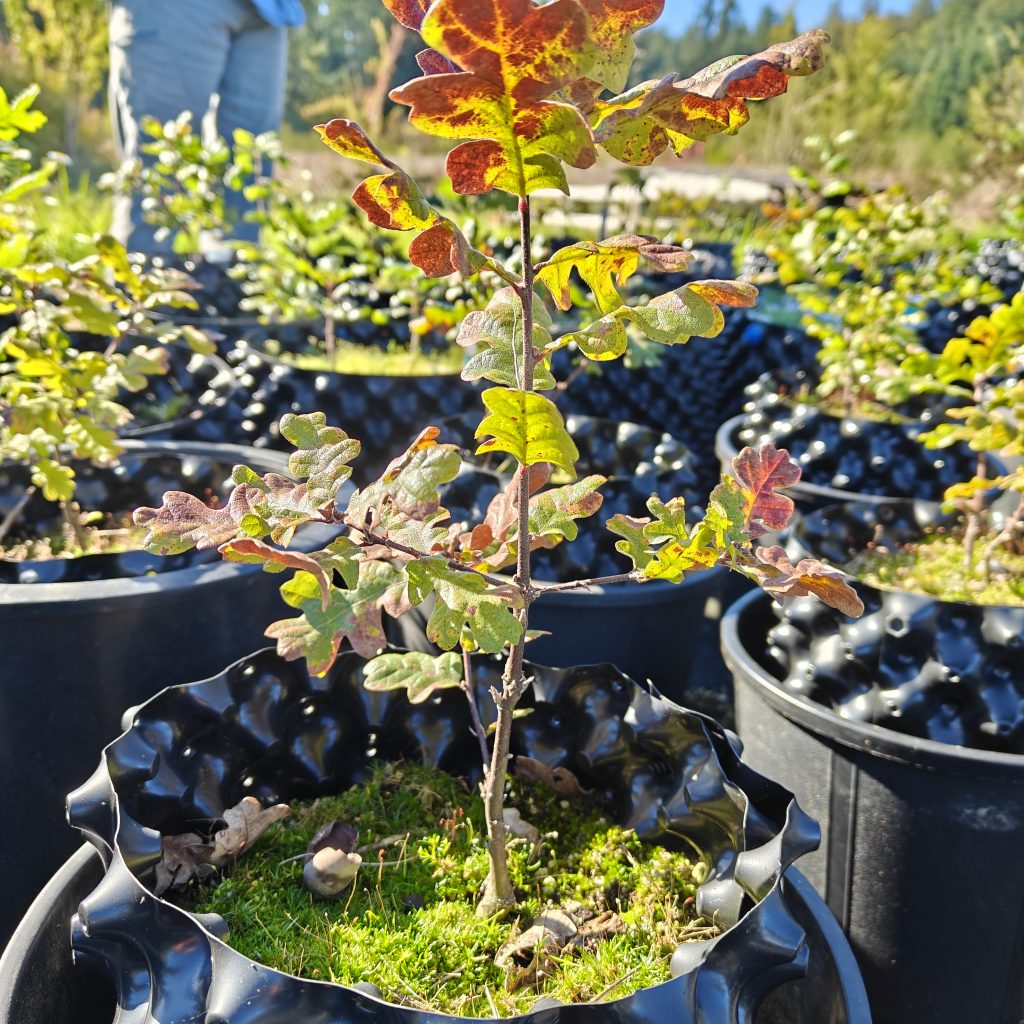
As woodland restoration projects were increasingly introduced and tree replacement requirements arrived in municipal tree protection bylaws, demand for Garry oak seedlings quickly outpaced supply in the Greater Victoria Area. To address this demand, GOMPS developed Garry oak growing capacity in partnership with the Pacific Forestry Centre. Some of those early seedlings were planted in restoration sites such as the Quadra/Patricia Bay interchange.
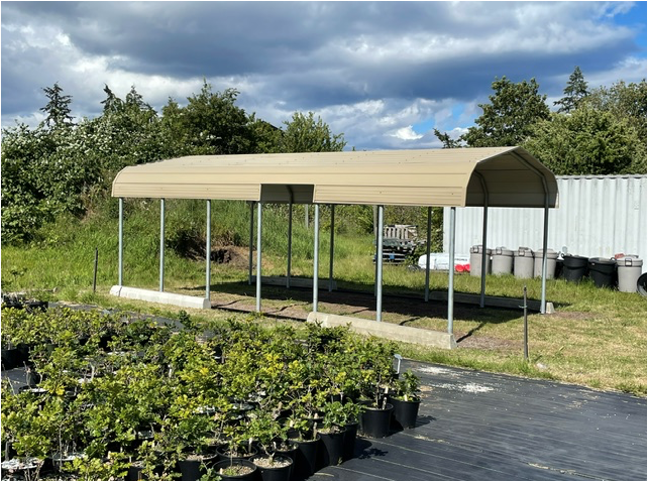
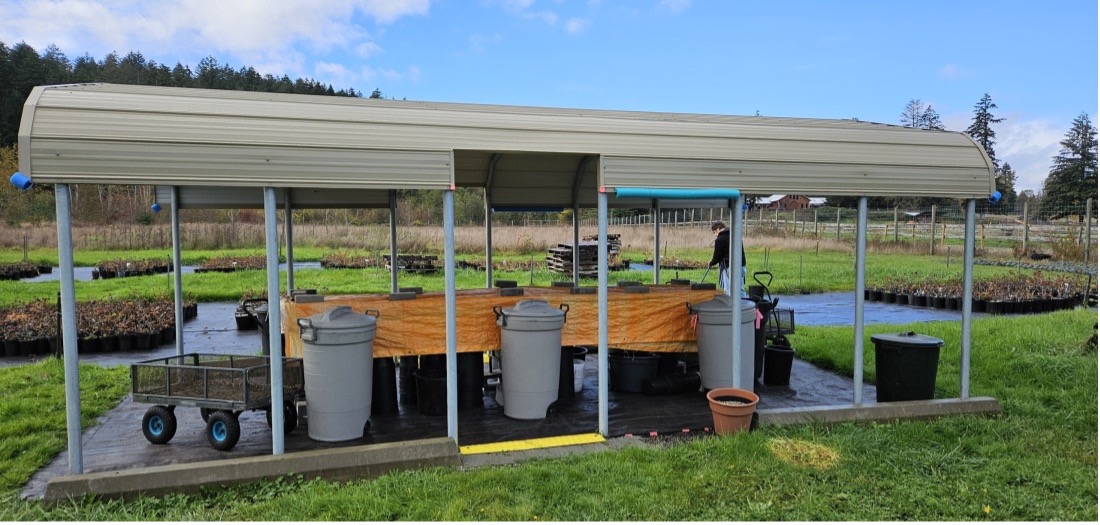
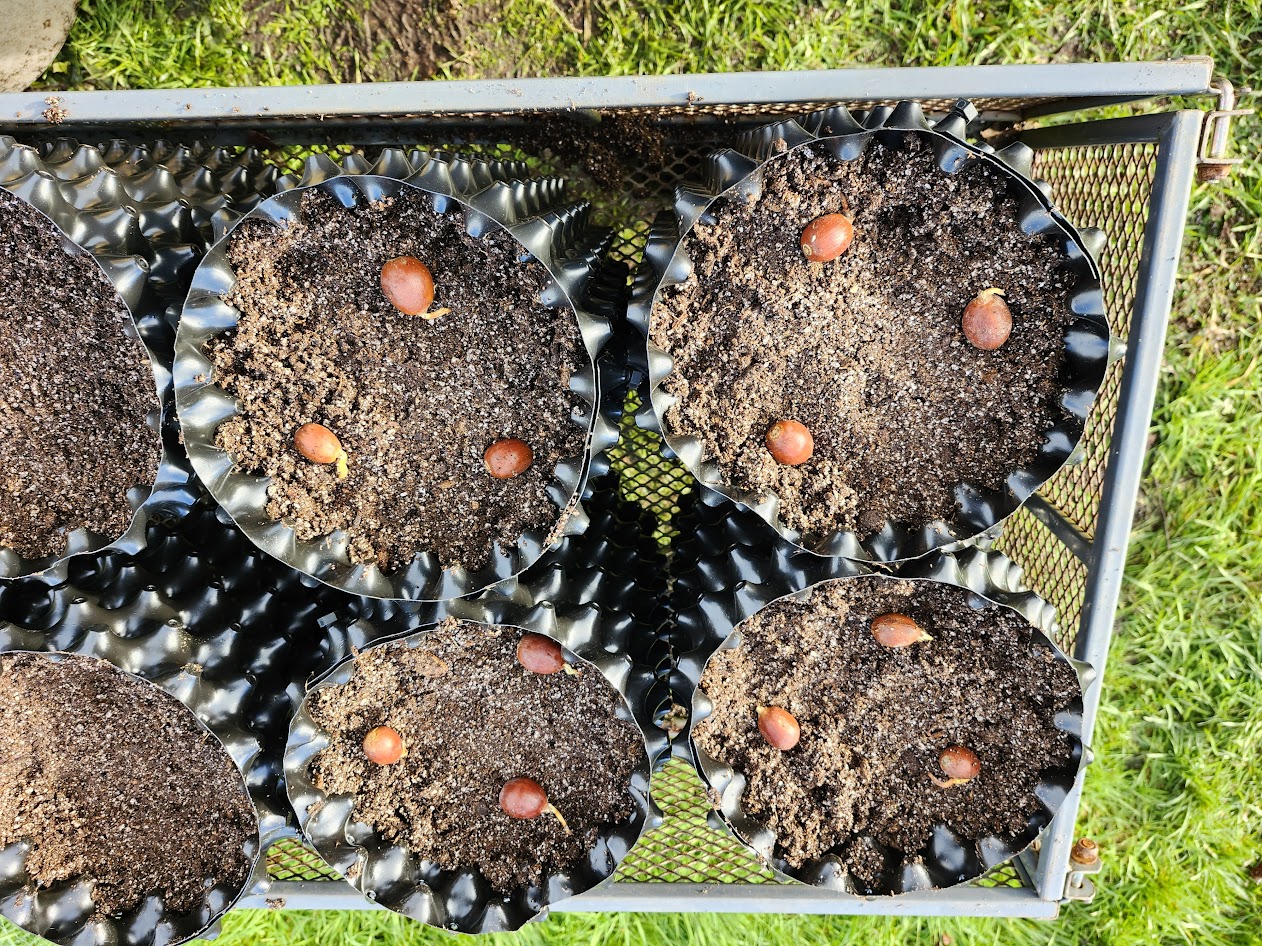
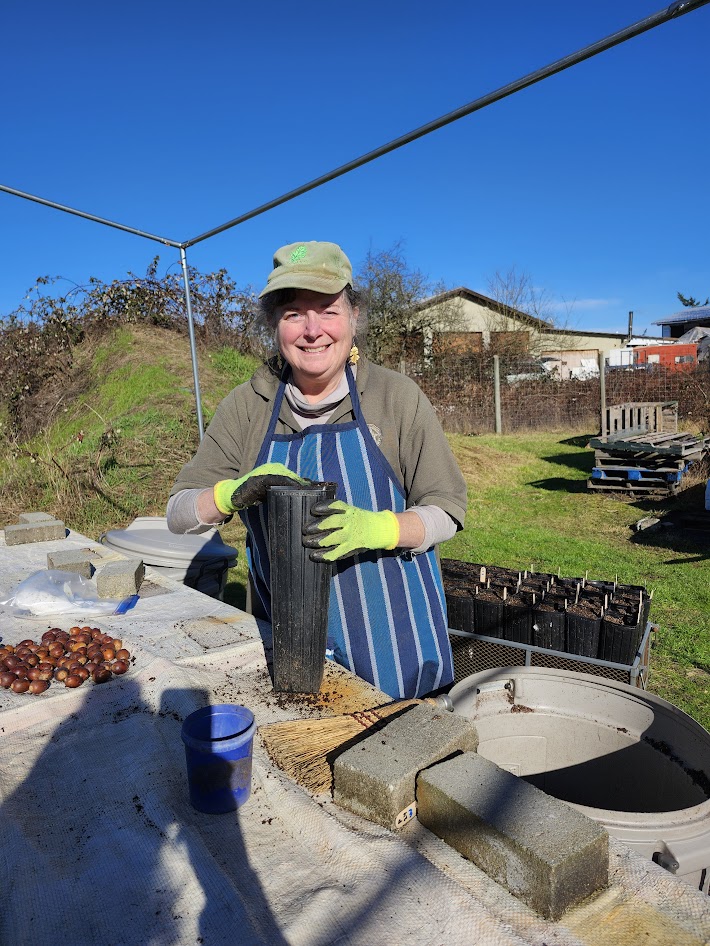
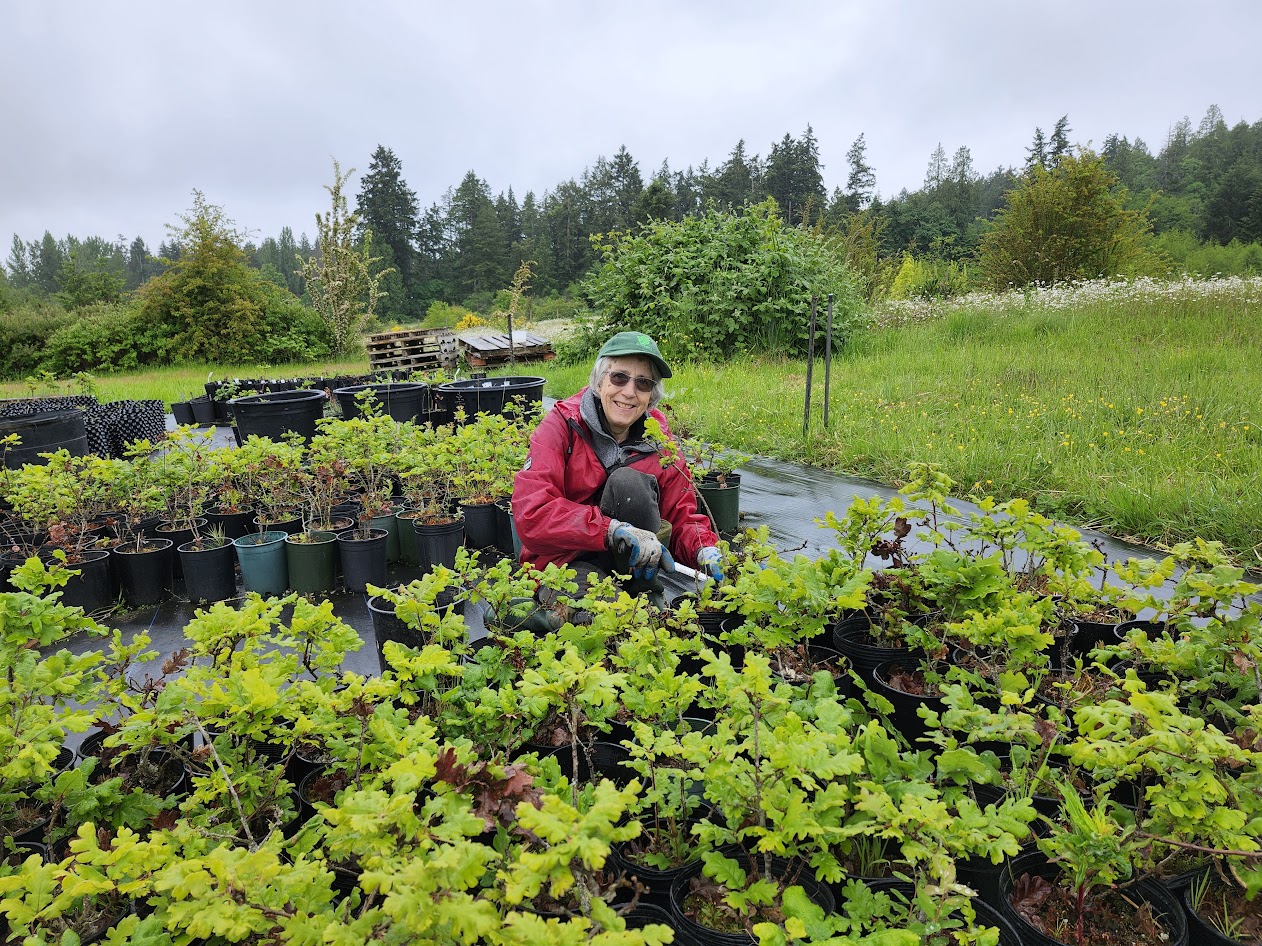
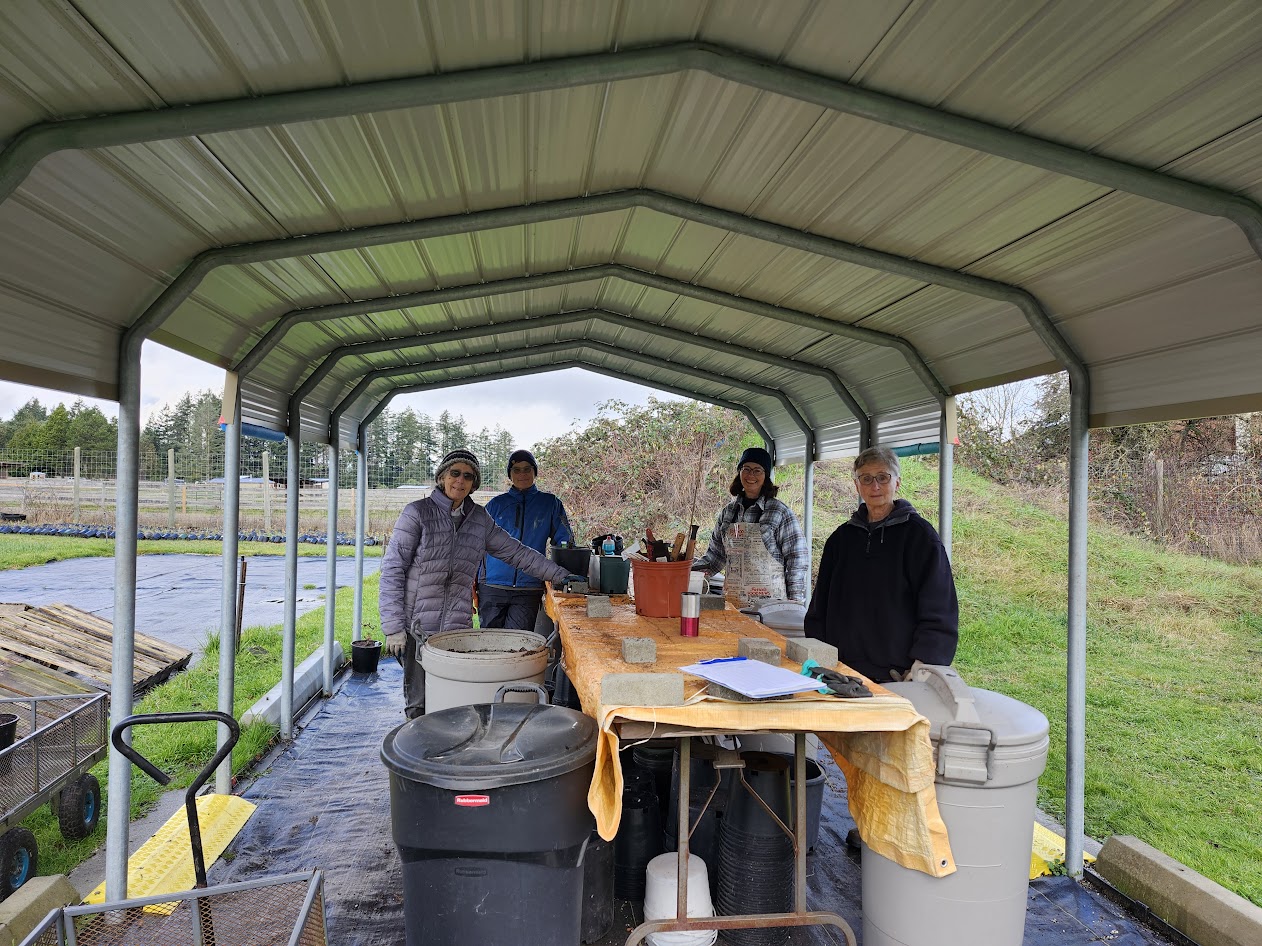
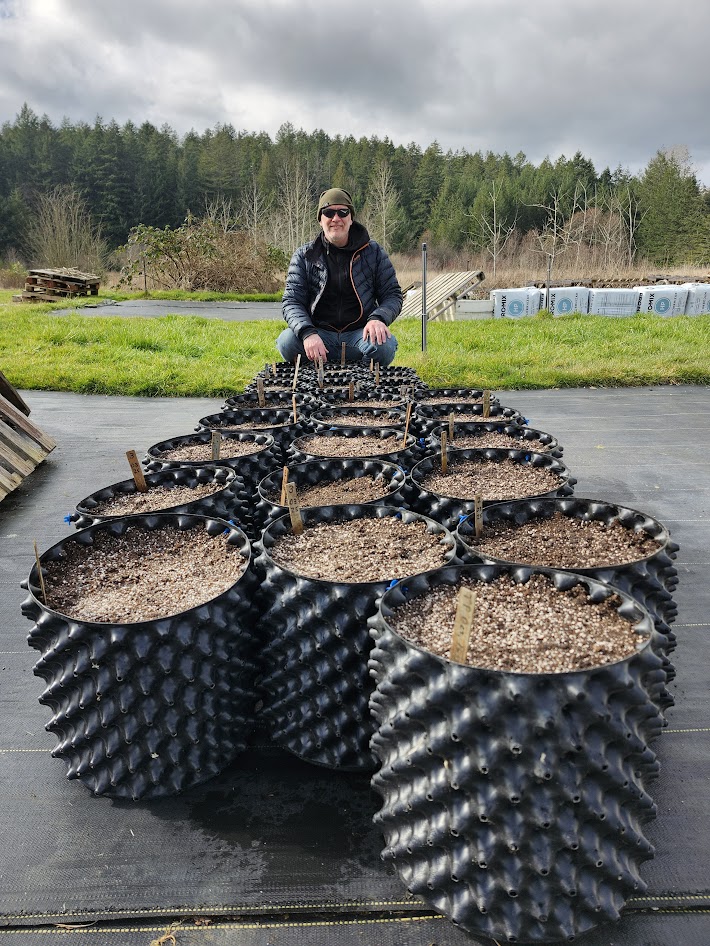
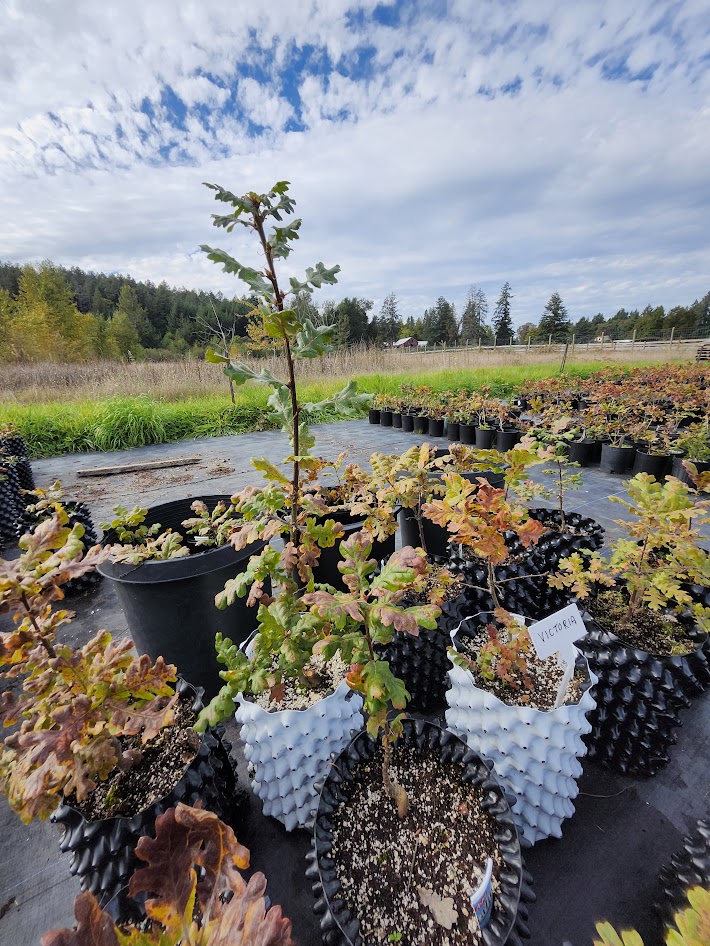
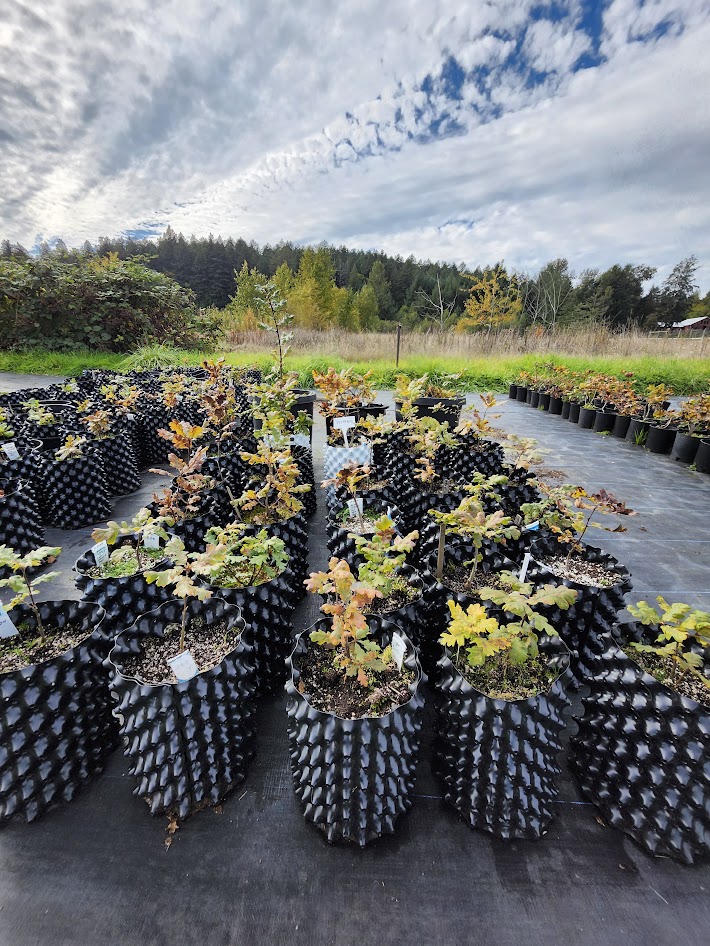
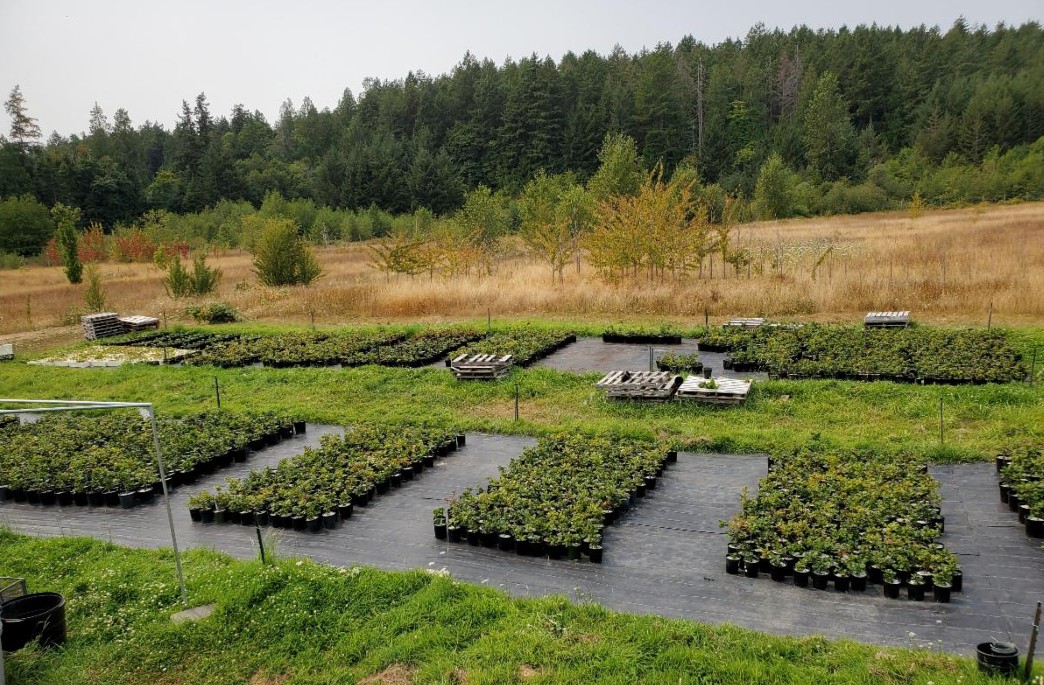
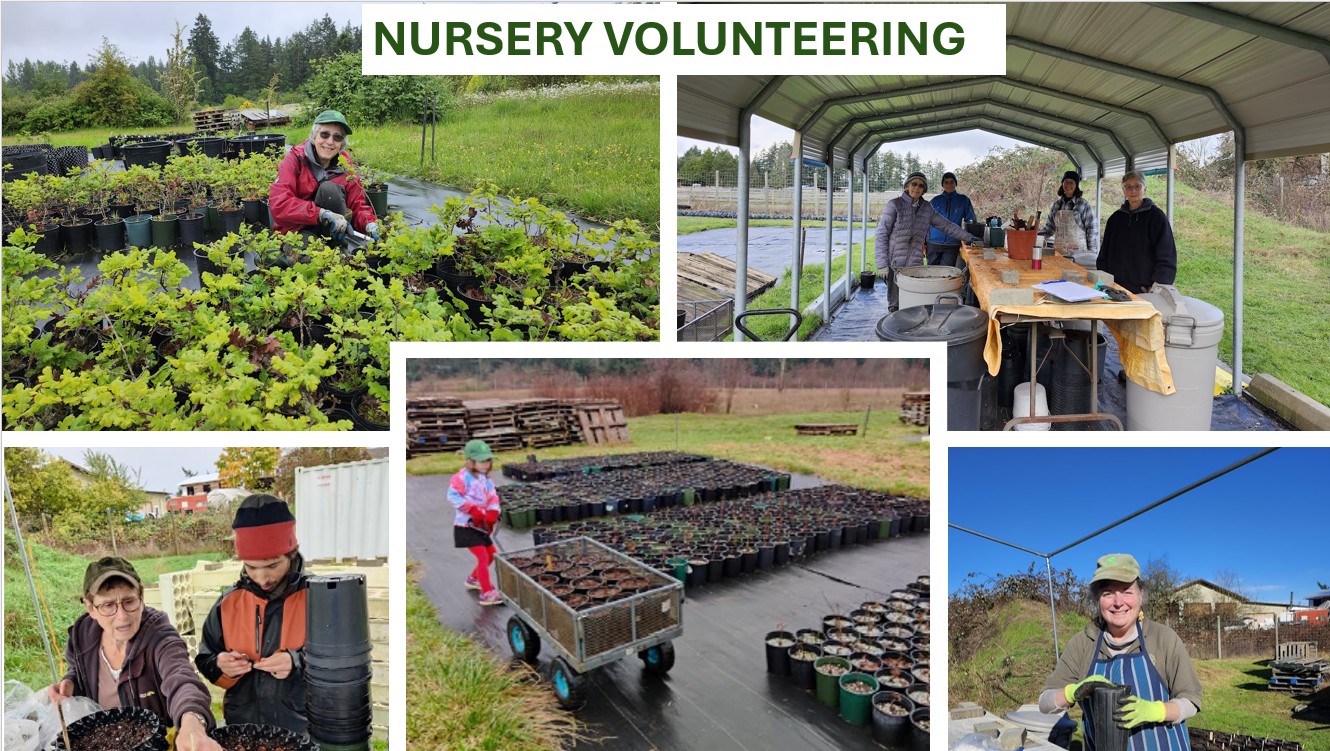
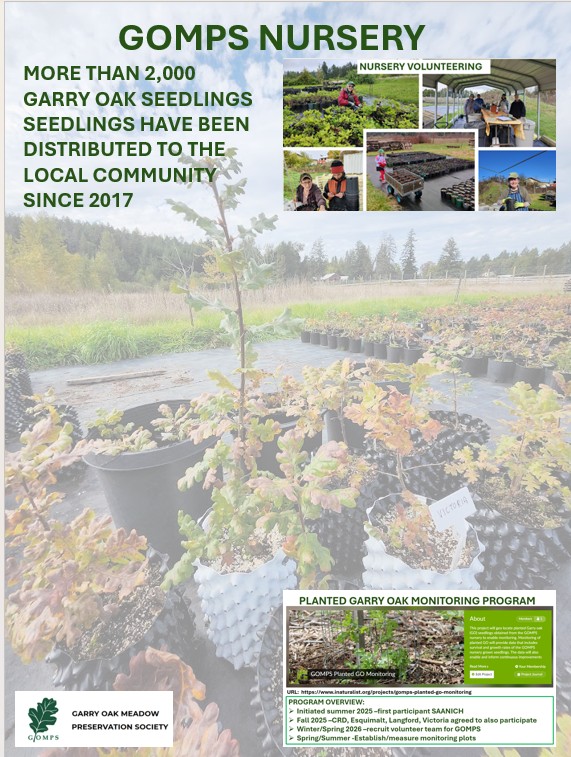
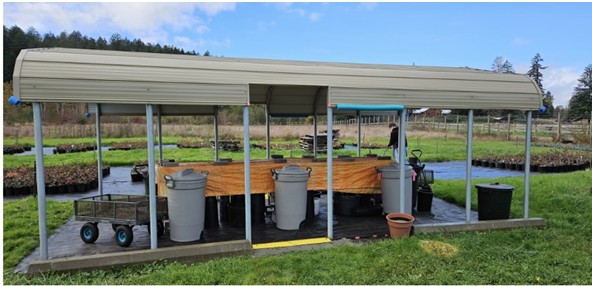
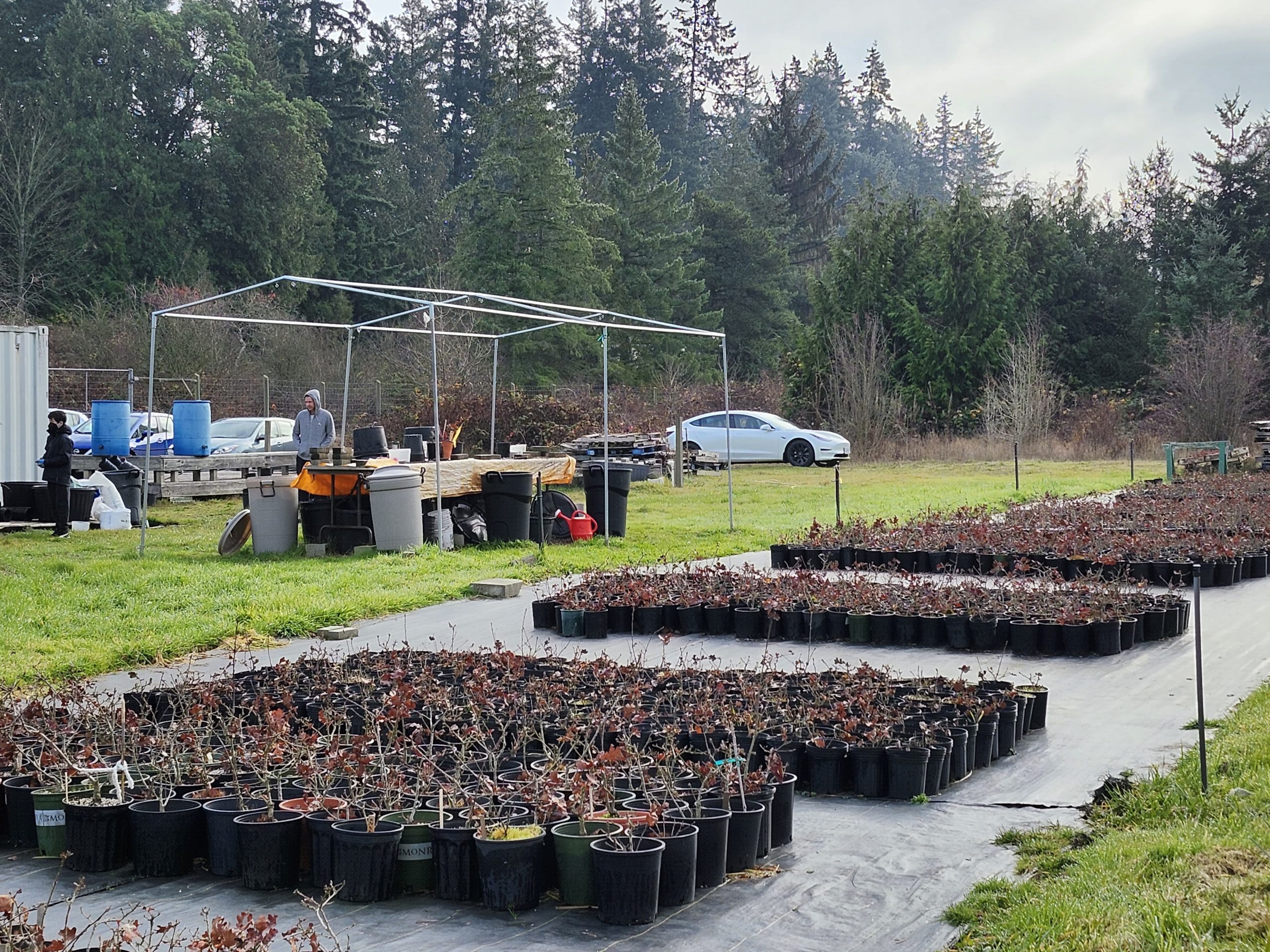
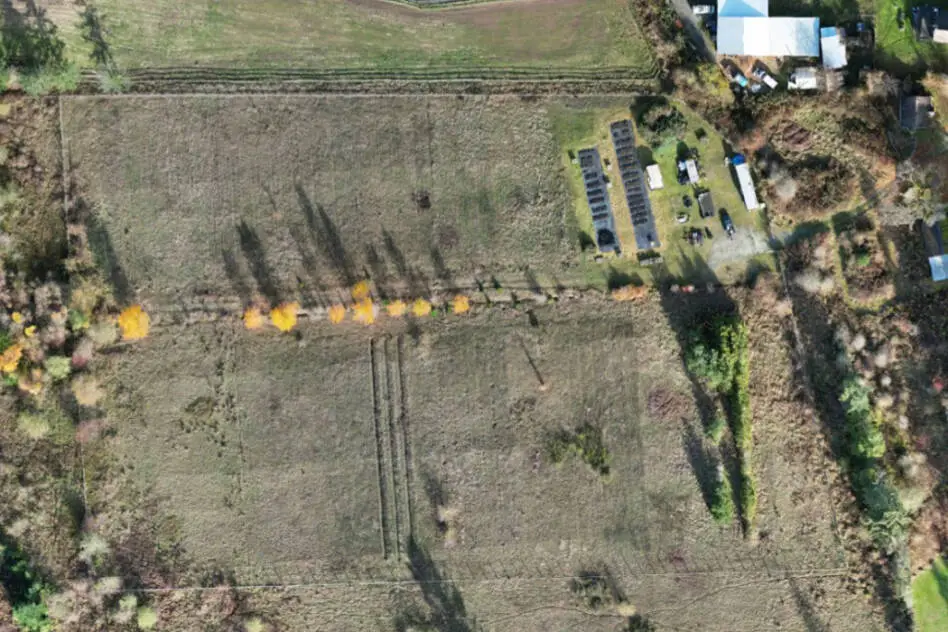
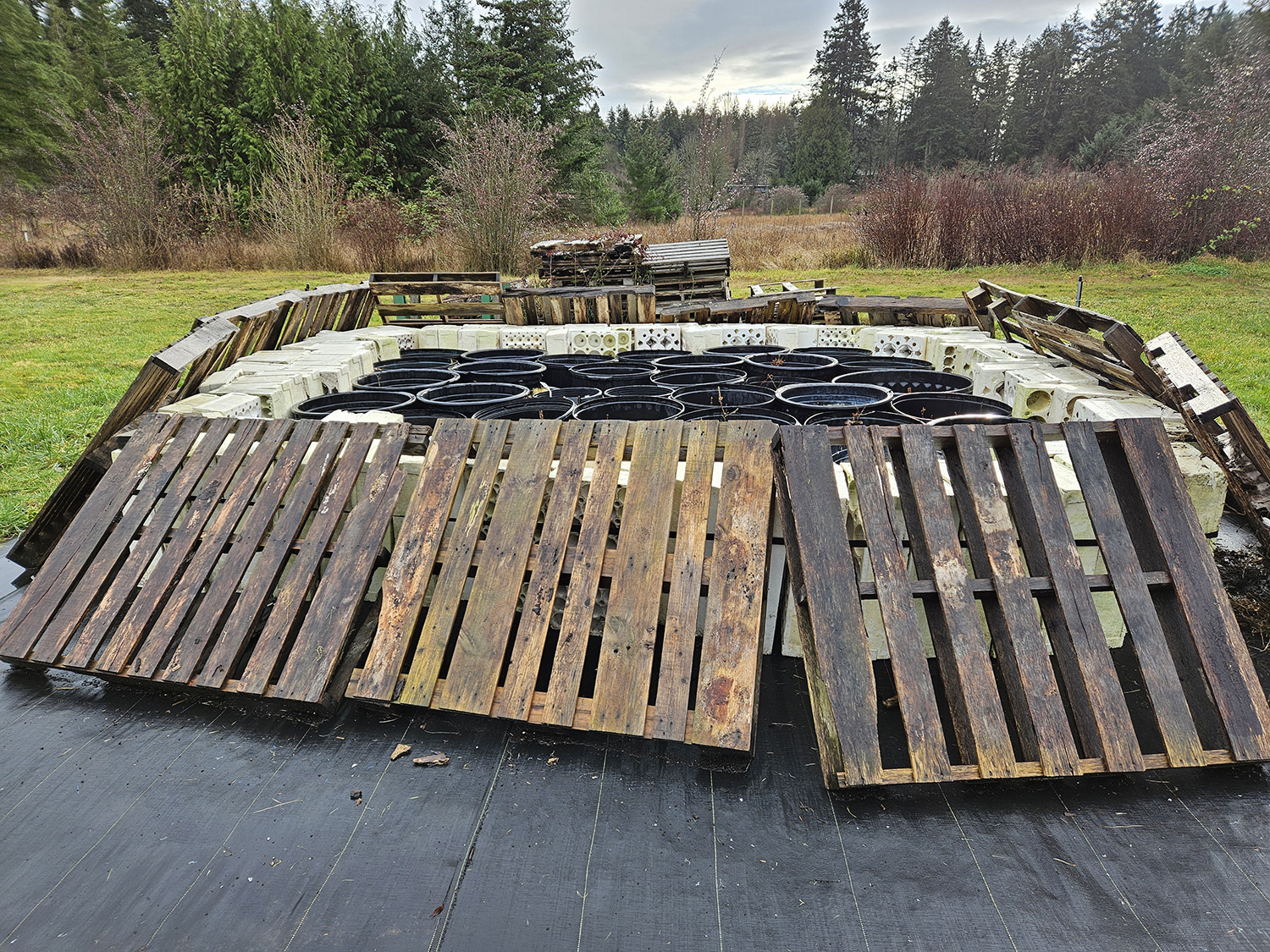
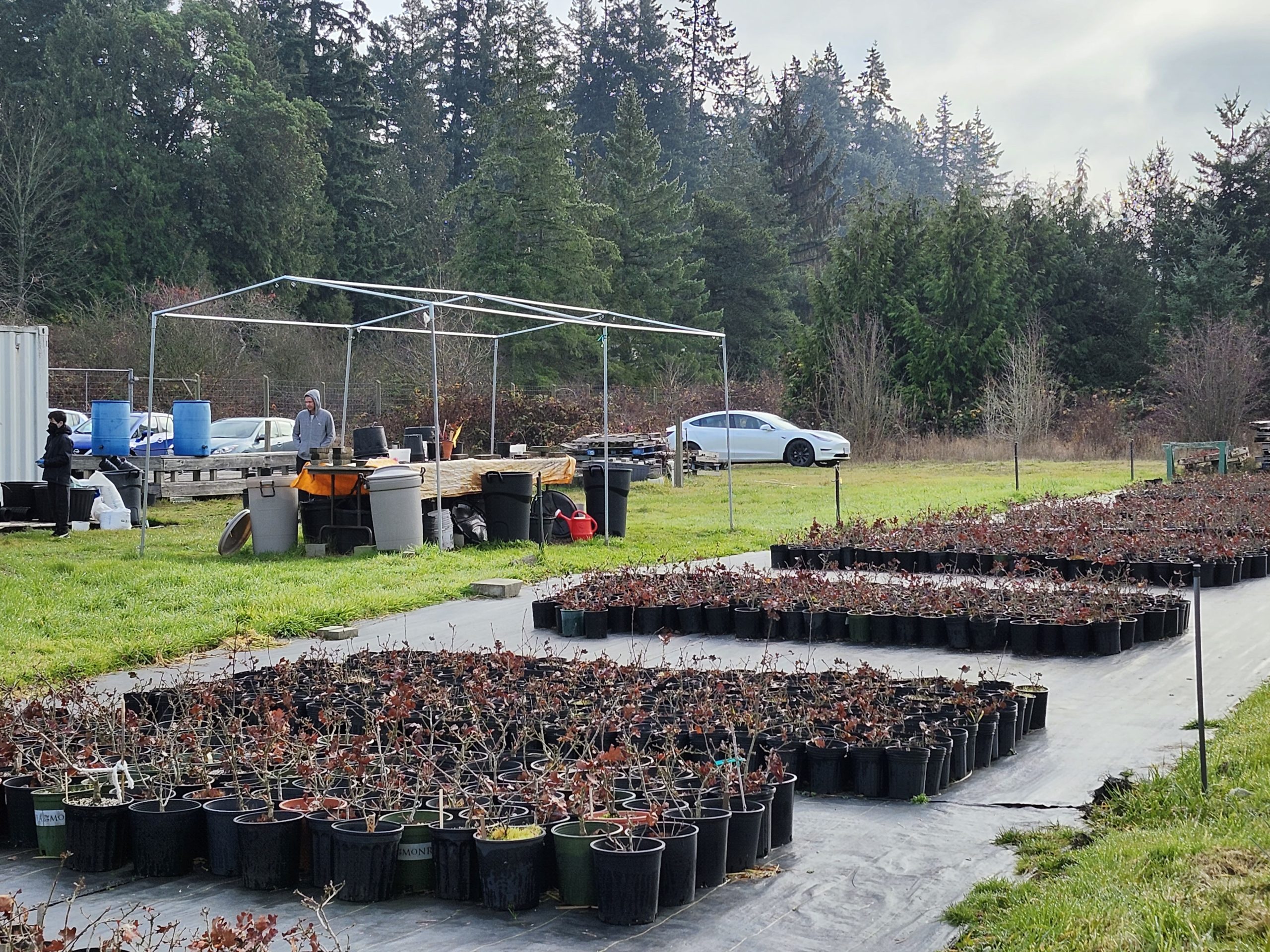
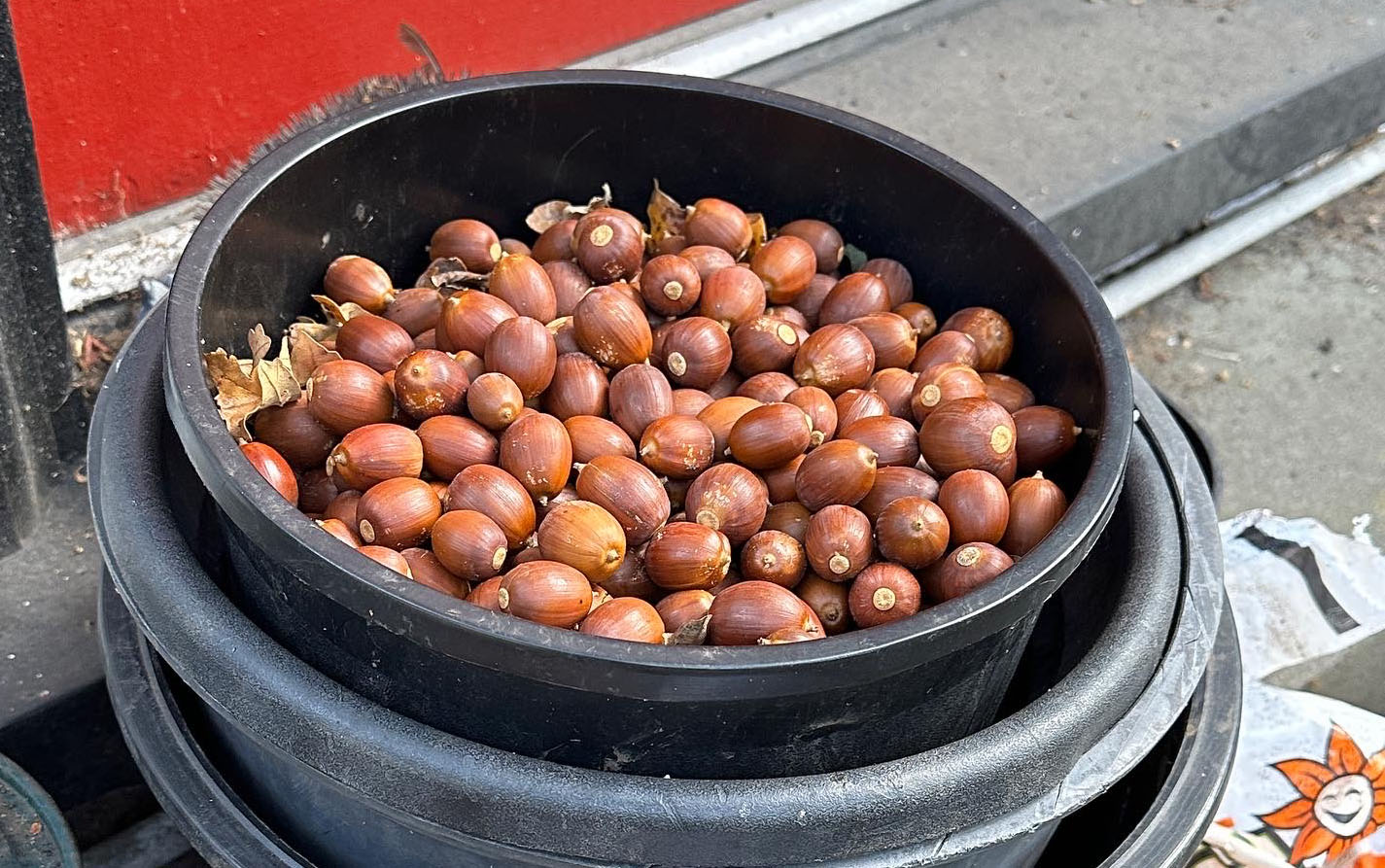
In 2017, GOMPS partnered with City of Victoria at the Bear Hill Nursery site and we began cultivation of Garry oak trees using locally sourced acorns donated by community members. After trialling several different container-growing approaches using thousands of community-donated acorns, many hundreds of seedlings have now been distributed and planted across the region (and beyond). The nursery is funded in part by two generous legacies of local estates, and from purchasers of our tree seedlings. Our nursery is operated entirely by volunteers.
The quality of our trees’ root systems and growth rates has improved thanks to ongoing nursery trials and from observing our many trees planted across the region. This work to continuously improve our product is carried out to ensure a high success rate of tree establishment in tough growing conditions, with minimal below-ground defects.
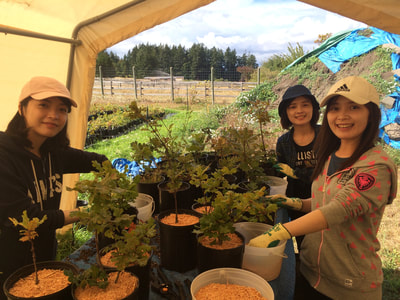
The nursery is dependent on volunteers to plant acorns and tend seedlings. Would you like to volunteer?
Acquire a Garry oak
Our seedlings have been planted as part of many stewardship and restoration projects across the region on public and private lands.
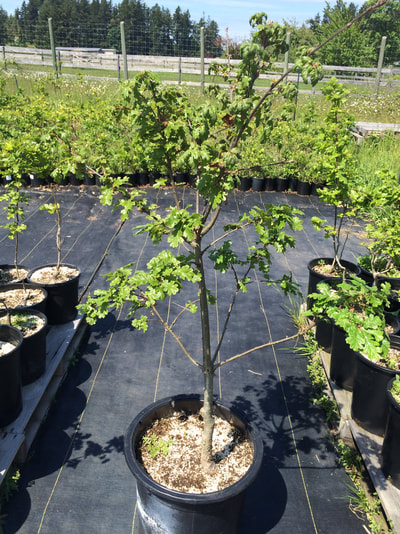
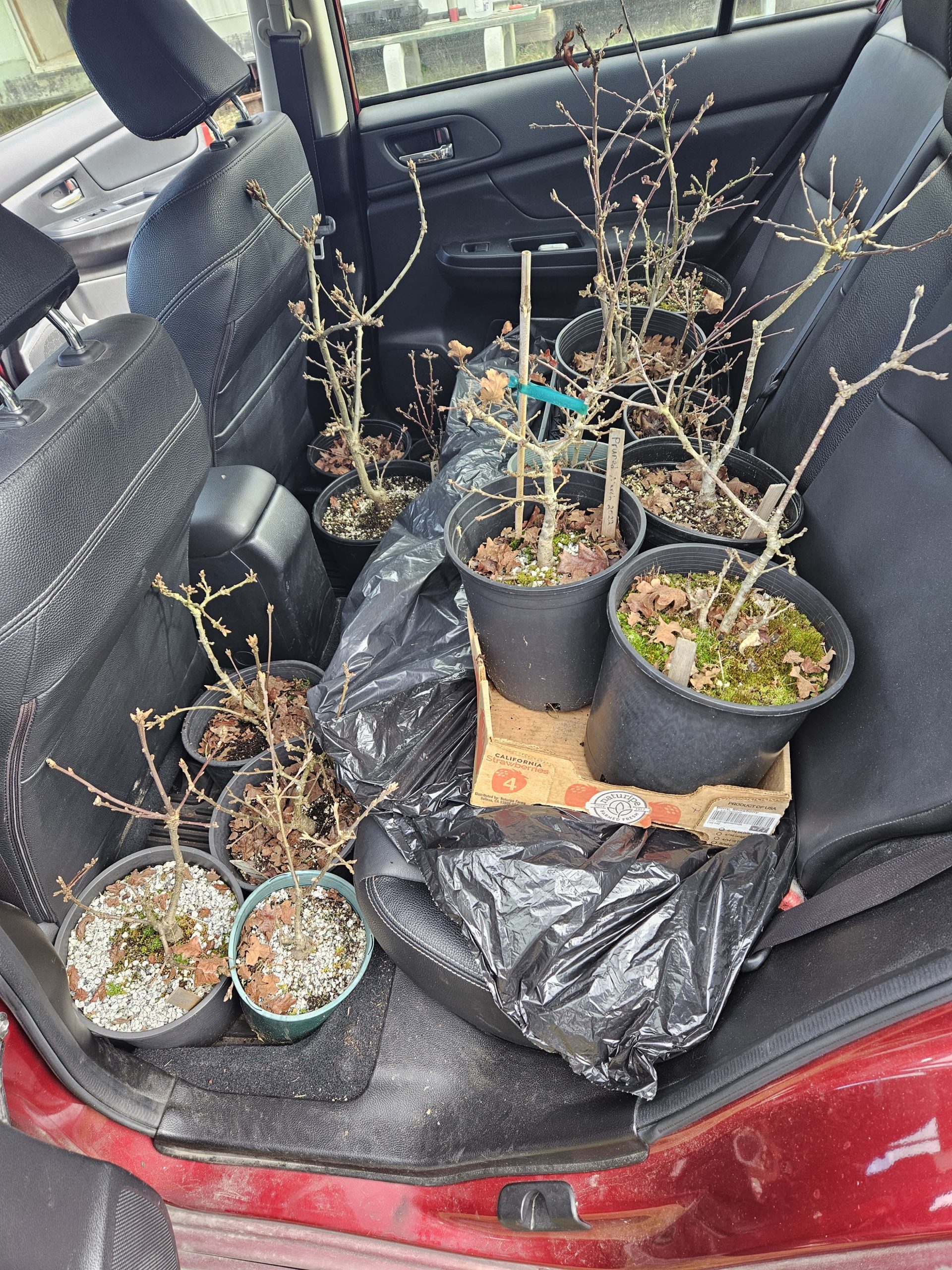
We grow trees in containers from community-sourced acorns for your project, big or small. Our air-pruned, 2.5 gal. container Garry oak seedlings are available for a suggested donation of $50.
Why plant a small seedling? The seedlings we grow are small by design. Research supports the idea that smaller tree seedlings are more efficient in establishment than large-calibre nursery stock. The materials we produce are easier to transport, require less intensive watering, and require less ground disturbance when introduced to their planting sites.
Source
Gilman EF, Black RJ, Deghan B. Journal of Arboriculture 24(1), (1998). Irrigation volume and frequency and tree size affect establishment rate. https://doi.org/10.48044/jauf.1998.001
Lauderdale, DM, Gilliam, C H, Eakes, D J, et al. Journal of Environmental Horticulture, 13(4), (1995). Tree Transplant Size Influences Post-Transplant Growth, Gas Exchange, and Leaf Water Potential Of ‘October Glory’ Red Maple. https://doi.org/10.24266/0738-2898-13.4.178
Our trees are best suited to semi-protected areas, such as yards or gardens, woodland or meadow restoration areas, and naturalized areas. Caliper trees may be better suited in applications such as boulevards, medians, busy parks, plazas, and where tree protection bylaws require.
Help us steward the urban forest and contact us for locally-adapted Garry oak seedlings that are available by donation.
Collecting Acorns
GOMPS’ Nursery relies on acorn donations from the public to start our seedlings. We appreciate your efforts to help steward the local Garry oak population. Please note that we are only calling for acorns. We do not accept potted seedlings or transplanted trees. Here are guidelines on how to identify suitable trees to collect acorns from and how to sort, test, and package acorns: GOMPS Acorn Collection Instructions
Identification
There are over 20 species of oaks that can be found in the Greater Victoria area. Introduced species (e.g. English oak, burr oak, red oak, white oak, Hungarian oak, holly oak, turkey oak, etc.) have many distinguishable characteristics from Garry oak, and there are excellent resources available to help you determine which oak is which. GOMPS only accepts acorns from Garry oak trees.
We recommend using the iNaturalist app to help you locate and identify Garry oaks. Many local tree identification books are excellent resources for verifying a species.
Tree genetics
Our goal is to draw acorns from trees that are a part of the local genetic population of Garry oaks. Many Garry oak trees have been introduced to the region as part of street tree replacement and urban development, whose origins are often from outside of this genetic population. One simple workaround is to identify older, healthy trees as sources for your acorn collection. Trunk diameter is an excellent indicator of the relative age of Garry oaks, which grow slowly at a rate of 1-2 cm of trunk diameter per year.
Tree vitality
The ability for the tree to endure stress is how we measure overall tree health. If a tree appears to have sparse foliage or has several large branch failures, or is visibly in decline, there may be trees better suited to collect acorns from.
Timing
Acorns mature in early fall and typically begin falling from trees from mid-September until mid-October. Mature acorns are brown and have no cap. Pale green and yellow acorns may also be viable, and caps should be removed if they are still intact at the time you collect them. If the cap resists removal, the acorn is not ripe.
Acorn quality
Filbert weevil is a common insect that degrades the acorn embryo, and acorns with weevil should be discarded. Indicators of weevil presence are small holes that will be visible on the outside of the acorn. Acorns with cracks or chewing damage should not be collected.
Acorn viability (float/sink test)
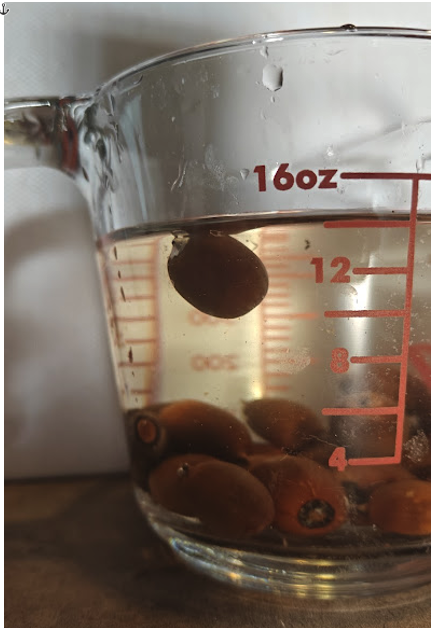
After collecting acorns in early to mid-fall, please take the time to rinse and perform a float/sink test on your acorn collection. Fill up a large container with water and add your collected acorns. Any acorns that float should be removed and discarded; keep those that sink. Remove any remaining caps from acorns. Drain all water.
Packaging
After the rinse and float/sink test, package the cleaned acorns in sturdy plastic bags labelled with the municipality and nearest street intersection where they were collected. Please deliver your acorns to the location found in the above handbook. Acorns can be slightly damp, and a piece of paper towel can help absorb any excess moisture that gradually collects in the bottom of the bag.
Please limit the volume of acorns to a total of 1 litre per person per region. Imagine a milk carton full of clean, float-tested acorns!
Our goal in community-contributed acorns is diversity – not quantity. Our nursery project aims to protect the genetics of Garry oak (Quercus garryana) trees in the south Vancouver Island genetic population.
If you have questions or comments, please contact us.
Growing a Garry oak
From a seedling
Your seedling could live more than a century if you start it off right and provide initial care to help it establish in your garden or yard.
Choose a site that gets plenty of sun and that won’t be overshadowed in time by any surrounding conifers. Garry oaks that are provided care in their early establishment can become large, long-lived trees reaching over 20 m in height and spread and living well over 100 years. Garry oaks are slow growing, but it’s still important to consider appropriate belowground and aboveground space for their eventual mature form. The closer that a tree is planted to buildings, roads, sidewalks and underground or aboveground utilities, the more maintenance over the tree’s lifespan will be required, and the more vulnerable the tree may be to being removed prematurely. Check https://www.bc1c.ca/homeowner/ for help locating underground services. Remember the arborist’s motto: Right plant, right place.
The best time to plant a Garry oak seedling is in mid fall to early spring. When you are ready to plant your seedling, remove any grass and weeds from the planting pit. Grass and weeds will compete for nutrients, moisture and may even outgrow the young tree robbing it of valuable sunlight.
Digging and backfilling
When digging your planting pit, don’t dig any deeper than the soil depth of your potted tree. The hole can be circular or square, and 3-5x the width of the container. Before you remove the seedling from the pot, take note of the level at which the soil meets the trunk. When you put the seedling in the ground be sure not to plant it deeper than that level. Re-use the soil excavated from the planting pit to back fill around the tree’s rootball and use a spade or a trawl to remove air pockets that may form when returning soil around the tree’s rootball. Applying a slow-release granular fertilizer at the recommended product rate is acceptable, but not necessary.
Mulching and Watering
Once the seedling is in the ground, water it gently and thoroughly so moisture is provided to the root ball and surrounding disturbed soil. Apply a layer of woody mulch over the excavated area leaving space directly around the stem. Mulch will help cool the ground, reduce weeds, improve moisture retention, and as it decomposes it will provide nutrients. Mulch also provides a home for beneficial organisms like insects.
Regular watering is required during early Garry oak establishment, and tolerance will gradually increase once their root systems are established. Water your seedling every 1-2 weeks during dry weather for the first two years. During heat waves, increase watering to every 2-3 days.
Don’t worry if you don’t see much initial growth as young oak trees invest their energy in establishing their root system that helps them survive through our dry summers. Seedlings may take 10 years or more to reach 1 m (3’) in height. Once established, young Garry oaks will grow branches vertically and laterally up to a metre or more per year.
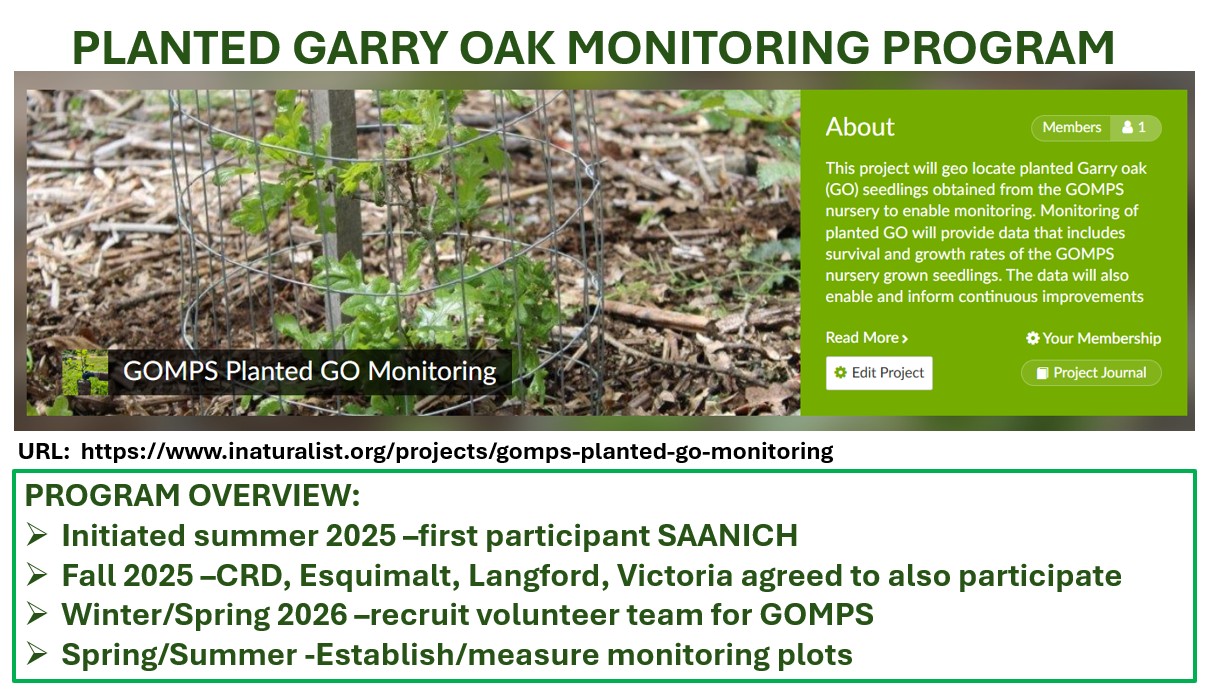
Stakes and a wire mesh or fenced cage around the seedling is a must in sites that are subject to grazing and rubbing by deer. In open sites, this can help identify tree locations and prevent trampling, mowing, and line trimmer injury.
GOERT has produced an extensive Gardener’s Handbook for establishing Garry oaks and associated native landscapes:
https://goert.ca/wp/wp-content/uploads/GOERT-Gardeners-Handbook-2011.pdf
Additional information on tree planting and gardening with Garry oak-associated species can be found here:
https://www.treesaregood.org/treeowner/plantingatree
https://www.crd.bc.ca/education/natural-gardening
https://npsbc.wordpress.com/native-plant-gardening/
Restoring or establishing a Garry oak ecosystem is complex. Whether you are a homeowner, a restoration professional or a developer, resources from the Garry Oak Ecosystems Recovery Team (GOERT) may be helpful: https://goert.ca/
Are you the owner of an established Garry oak tree?
Congratulations!
Trees are often the largest and perhaps most complex living organisms in their respective ecosystems but a tree can also be thought of as a host for its own unique ecosystem. Trees support other plants, insects, birds and mammals but they also form relationships within their growing area that include bacteria, viruses, fungi and other micro-organisms.
Human interaction can easily disrupt this balance causing unseen damage to the tree and its surrounding ecosystem. While the damage may not be immediately noticeable, something as simple as adding irrigation or laying a sidewalk could jeopardize your tree and its root system. Consider consulting an arborist before making site changes that might injure tree roots to ensure your tree maintains its good health and stability. Ongoing inspections and maintenance by a professional arborist is recommended to maintain clearance from houses and utilities and to treat any conditions of concern (e.g., weakly attached branches, dead branches, etc.).
Your first step towards hiring an arborist should begin with a visit to your local government’s urban forestry website. Most municipalities in the Capital Regional District have tree protection bylaws that govern tree maintenance and ground disturbance near a tree. GOMPS does not provide recommendations or referrals to arborists. For tree maintenance, we recommend working with qualified professionals. Worksafe BC requires arborists engaging in tree climbing to be qualified, blending training, education, and certification in the specific work activities workers will be engaging in. The International Society of Arboriculture (ISA) provides a service that allows you to look up an arborist and verify an Arborist’s certification status (e.g., ISA Certified Arborist, ISA Tree Risk Assessment Qualified, etc.).
The ISA also maintains a website detailing many aspects of tree ownership, tree care with downloadable content in several languages. Visit their Tree Owner Information site here: https://www.treesaregood.org/treeowner to answer questions regarding the benefits of trees, managing tree hazards and risks, plant health care and much more.